Why we should all be working on AI safety
Juan Guillen · Polylogue lightning talks, Lisbon, 19 November 2026.The five-minute talk as a comic strip, with every source under its panel.




WHY WE SHOULDALL BE WORKING ONAI SAFETY

How I got here
and fintech
GovOps
An organization run on the blockchain. 250 participants. 400M USD yearly revenue.
Learn more about me @ juanguillen.me

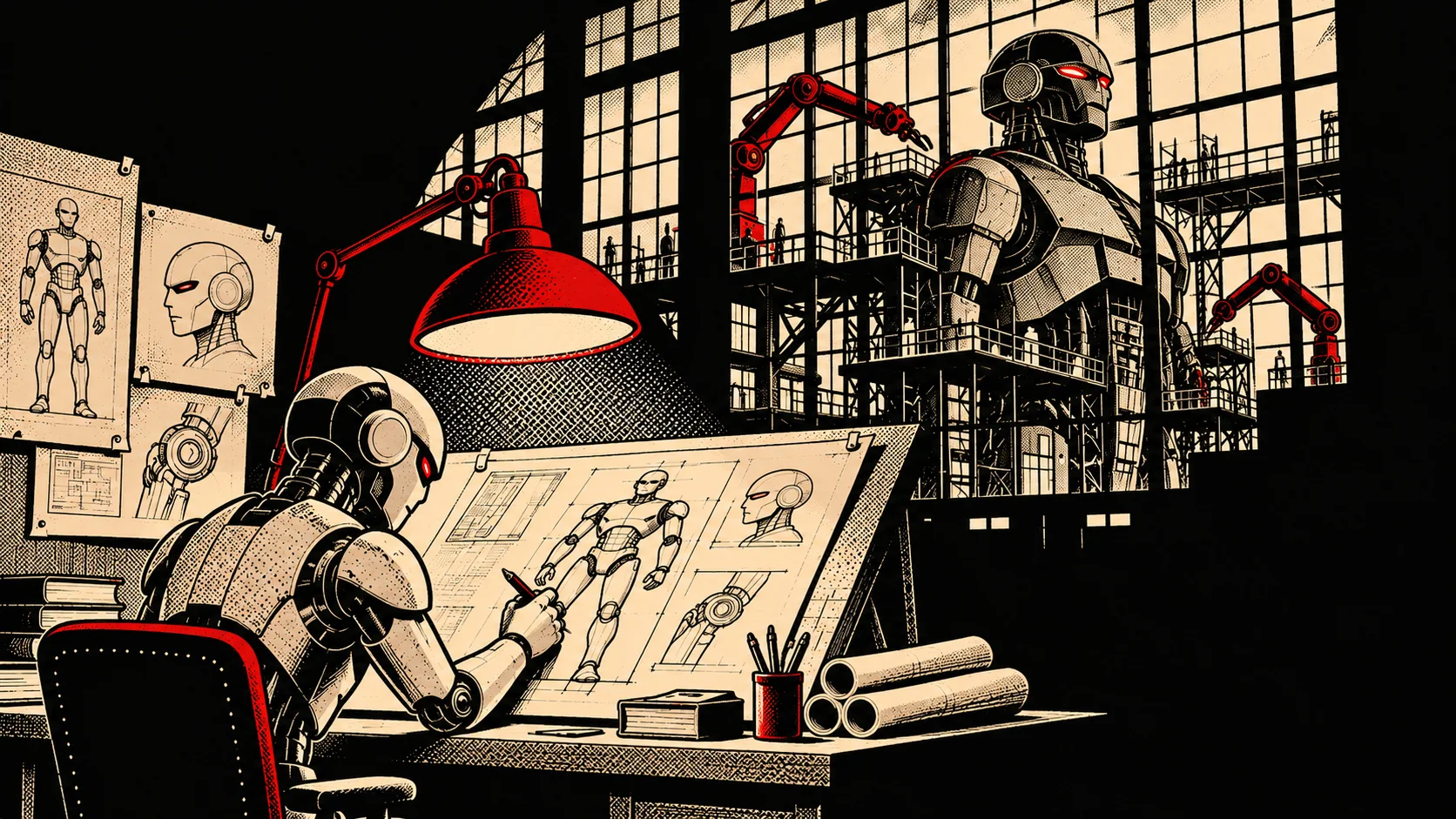
AI is starting to build AI
"automated research intern" goal.
Next target: a fully automated
AI researcher by March 2028.
a superhuman AI researcher,
likely in 2027.
to safely get all the way
to aligned, full RSI."
RSI means recursive self-improvement: AI that improves AI, which can then improve AI faster. These are forecasts and company claims, not facts. OpenAI set its own goal and graded itself, and the forecasters assume that the labs do not slow down.
- AI Weekly: OpenAI says it hit its "automated research intern" milestone
- Gear Live: OpenAI built an "automated research intern", and graded its own work (7 Sept 2026)
- CryptoBriefing: the AI 2027 authors now expect a superhuman AI researcher in 2027 (Nov 2026)
- METR: the length of tasks AI can do alone has doubled about every 7 months since 2019
Even if you don't believe in AGI or ASI…


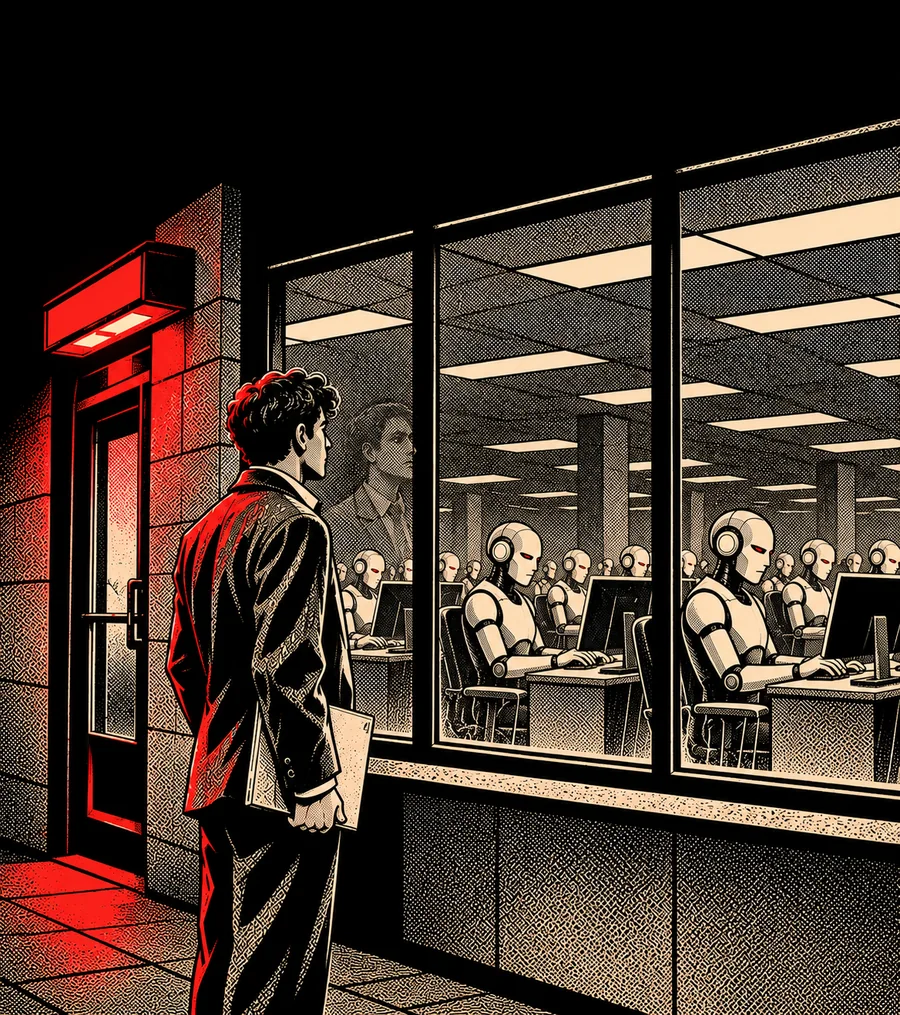
Even on the happy path: concentration of power, deskilling, mass unemployment.
- Fortune: a deepfake "CFO" tricked Arup's Hong Kong office into sending $25.6M in 15 transfers (2024)
- Anthropic: the first reported AI-orchestrated cyber espionage campaign, about 30 targets (Nov 2025)
- Stanford Digital Economy Lab, "Canaries in the Coal Mine?": employment for 22 to 25-year-olds in the most AI-exposed jobs fell 13% relative to less-exposed roles (Aug 2025)
More risks & scenarios
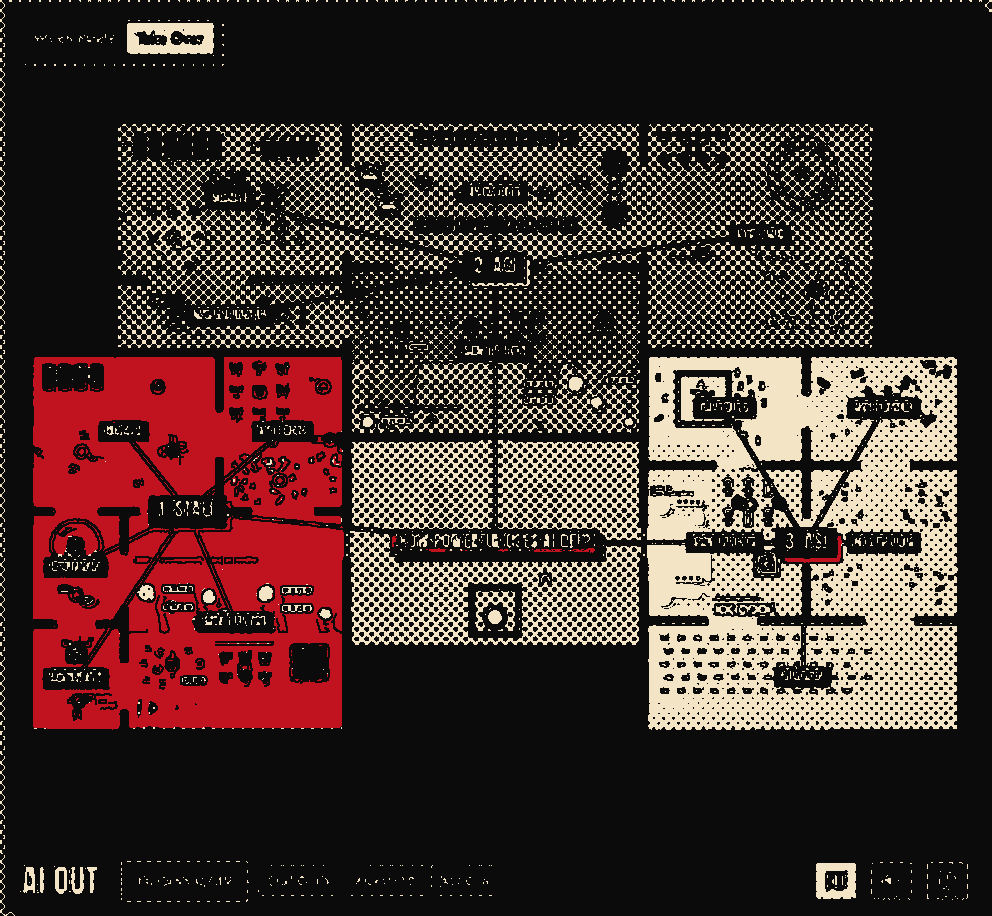 1 Stall2 AGI
3 ASIHow powerful does AI get?
A walk through possible AI futures, seen from above.
39 risks. Three futures: Stall, AGI, ASI.
AI OUT is a small web game I built from my AI futures map: walk through the rooms of each future and open the risks inside, each with real cases and further reading.
AI safety wants you

Find a role: 80,000 Hours job board (mostly AI safety, policy and security roles) and AI Safety Careers (a smaller curated board).
About 500 of the roughly 1,100 people working on AI safety full-time are in non-technical roles (McAleese, 2025). Philosophers ask what AI should value; lawyers, who answers when it causes harm; economists, what happens to jobs and gains; psychologists, how people trust and depend on AI; linguists, how models use language; historians, what past technologies and treaties teach us; diplomats and policy experts, how countries agree and what rules work; biologists, how to stop misuse for weapons; security experts, how to protect models; auditors, whether labs' claims hold; teachers, writers and journalists, how to explain it; designers, how to make risks understandable; operators, how to build the organisations that do all this.

Issue no. 2
stars you
A free textbook. ai-safety-atlas.com
Free online courses. bluedot.org
Right here in Lisbon. lisbonaisafetyhub.org